June 15, 2026
Constructing a new residence requires analyzing how structural layouts, lot footprints, and vertical space interact to impact your daily routine. Property owners frequently select multi-level floor plans to maximize their square footage without overtaking their outdoor lawn space. Partnering with a professional custom home builder is a highly practical way to turn these vertical concepts into structurally sound, beautifully cohesive living environments.
When your framing, room placement, and transit paths are designed around your family's lifestyle, your property gains exceptional daily utility. This article examines how specialized design foresight alters multi-level construction, helping you lower utility overhead while upgrading your real estate equity.
Personalizing Architectural Aesthetics and Layouts
A primary benefit of collaborating with a custom home builder is the ability to dictate your interior layout without relying on rigid, pre-drawn corporate templates. Designers evaluate your daily habits to position master suites, playrooms, and common gathering spaces exactly where they make sense for your family.
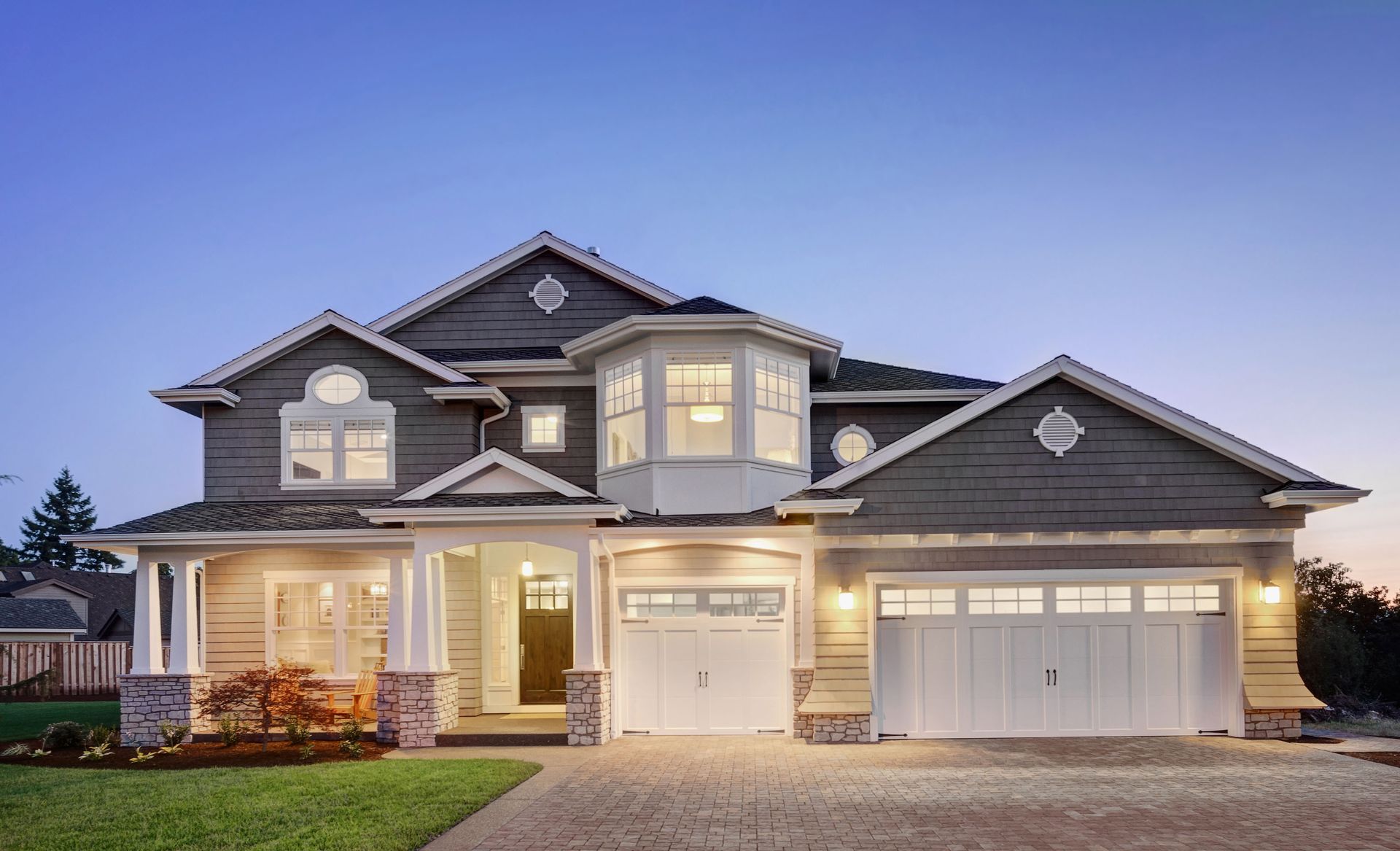
This detailed planning ensures that main-level noise does not disrupt upstairs bedrooms, creating intuitive transitions throughout the home. Incorporating vertical building strategies remains a prominent path for property owners. According to architectural metrics from WifiTalents, roughly 18% of new homes are built with two-story structures, highlighting the continuous demand for vertical space optimization.
Structuring Distinctive Exterior Profiles
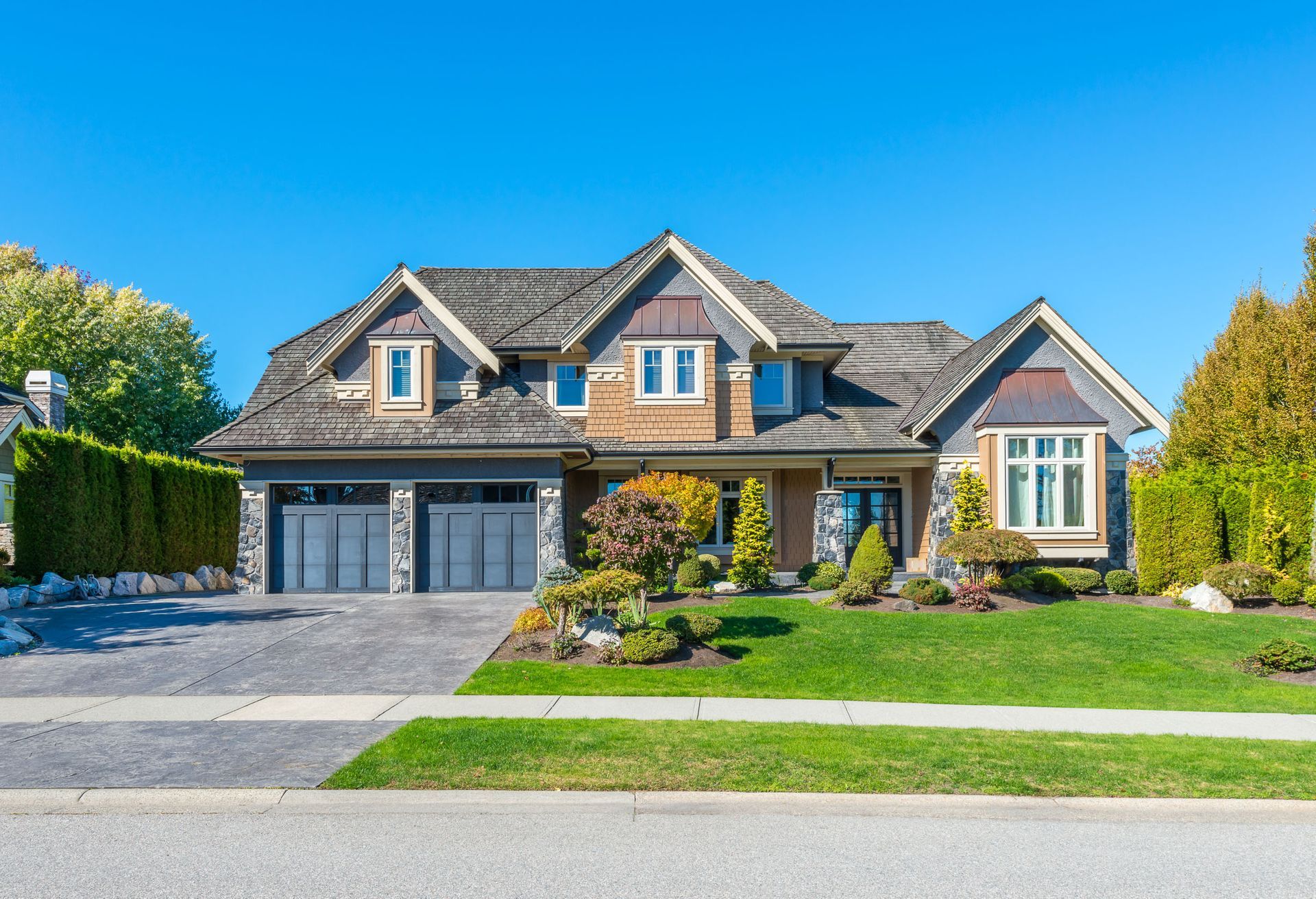
Beyond organizing internal doorways, an experienced builder focuses heavily on creating a striking exterior aesthetic that complements your regional landscape. Whether your vision aligns with modern minimalist clean lines or classic colonial columns, a specialized team coordinates every window frame and roofing trim to match your theme.
Integrating dimensional elements—such as covered front porches, stone accents, or exposed cedar corbels—adds visual depth. This architectural customization ensures your home stands out beautifully within the local neighborhood while protecting your equity.
Maximizing Natural Light Reflection
Sustaining a bright, open interior across multiple floors requires planning window configurations that harness shifting solar angles throughout the day. Builders strategically place oversized windows, double-story glass walls, and structural skylights to pour natural light deep into central hallways and stairwells.
Bypassing the need for constant artificial lighting creates a warm, inviting indoor atmosphere. Additionally, balancing these glass areas with proper cross-ventilation paths reduces interior humidity and maintains healthy air circulation across both floors.
Maximizing Vertical Space and Flow
Expanding your living zones vertically introduces distinct opportunities to reclaim hidden spaces that standard blueprints routinely waste. A creative builder knows how to transform the empty void beneath a grand staircase into a functional walk-in wine cellar, a private reading nook, or a set of custom pull-out storage drawers.
Utilizing recessed wall cabinets and floor-to-ceiling shelving arrays keeps seasonal belongings, luggage, and media gear completely organized without reducing your usable floor space.
Planning Seamless Transit Corridors
The central staircase serves as both the primary physical link and the visual anchor of a two-story layout, demanding precise structural placement. Specialized designers position these steps to encourage natural room transitions, stopping the stairs from blocking primary hallway sunlight.
Utilizing wide landings, open-riser steps, and continuous sightlines prevents your upstairs landing from feeling isolated, blending both levels into a single, cohesive family ecosystem.
Designing Adaptable Flex Spaces
Constructing multi-functional rooms ensures your physical infrastructure changes smoothly alongside your family's evolving lifestyle needs. A custom home builder can design upstairs bonus rooms that transition from a toddler playroom into a quiet teenage study lounge, or a home office that easily shifts into a comfortable guest suite.
Planning hidden plumbing lines and wall reinforcements early allows you to modify your rooms without handling invasive structural renovations down the road.
Enhancing Thermal Performance and Efficiency
Regulating air temperatures across different floor levels requires careful engineering, as warm air naturally rises toward the roofline. A knowledgeable builder prevents hot second-story bedrooms and drafty main-floor living rooms by installing balanced, multi-zone HVAC networks.
Utilizing automated dampening valves and separate thermostats allows the system to direct cooling or heating exactly where it is needed, lowering your overall power consumption.
Sealing the Thermal Building Envelope
Stopping unwanted energy loss requires wrapping your multi-level structure in advanced insulation layers and protective radiant barriers. Construction crews inject dense spray-foam insulation into deep ceiling joists and wall cavities to block summer heat transfer and trap winter warmth.
Sealing these perimeter seams reduces the mechanical strain on your heating and cooling equipment, providing immediate monthly savings on your household power bills.
Securing Structural Integrity and Safety
Supporting the concentrated weight of a multi-level timber or concrete structure requires executing detailed soil assessments and site-specific foundation engineering. An experienced custom home builder pours reinforced concrete slabs and deep structural footings to prevent the building from shifting over time.
Taking these sub-surface precautions shields your property from localized settling issues, keeping your exterior brick walls and interior crown moldings completely free of stress cracks.
Implementing Advanced Subfloor Framing
Sustaining silent, unyielding upper floors requires utilizing high-density engineered wood I-joists and thick, glued subfloor panels. Professional builders space these structural spans tightly to eliminate rhythmic bouncy spots and annoying floor squeaks when family members walk upstairs.
Ensuring your floor frames are interlocked with heavy-duty steel hangers distributes the weight load uniformly, keeping your drywall ceilings downstairs completely flat and secure.
Incorporating Home Automation Systems
Blending low-voltage wiring and smart home control panels into your walls during the initial framing stage provides seamless control over your living environment. Homeowners can adjust multi-floor lighting arrays, manage security sensors, and check exterior cameras from centralized wall docks or personal devices.
Integrating these automated networks early allows you to program energy-saving routines that turn down your upstairs cooling during morning hours when the family is downstairs.
Planning Future Ready Wiring Paths
As digital communication tools continue to change, having accessible data pathways running between your floors protects your home from early technological obsolescence. Custom home builders run protective conduits and heavy shielded data lines to central utility closets, making it simple to upgrade your network hardware.
This wiring infrastructure supports high-speed data transmission and strong wireless signals through thick drywall and framing, keeping your entire property connected.
Managing Complex Vertical Framing Tasks
Assembling the skeleton of a two-story residence involves handling complicated load paths that must direct thousands of pounds of dead weight down to the foundation. Custom home builders rely on thick laminated veneer lumber beams and reinforced steel columns hidden inside the drywall profiles to handle these massive downward forces.
Failing to anchor these heavy headers properly can lead to sagging ceilings and jammed windows on the lower level, making precise professional framing calculations indispensable for long-term safety.
Directing Systematic Construction Sequences
Managing the multi-stage timelines of a vertical building project requires coordinating several trade teams so that nobody accidentally alters another crew's work. Structural crews must complete the lower subfloor before wall panels can be craned into place, while plumbers and electricians wait for the roof decking to dry before running utility lines between the floor frames.
A seasoned builder creates a strict tracking schedule that keeps material deliveries and field inspections running in a smooth, logical sequence.
Committing to a tailored multi-level construction process is the most effective way to align your home's square footage with your family's daily lifestyle. Working with a dedicated custom home builder ensures your foundation grid, load-bearing frames, and climate systems are balanced to handle vertical stress demands. Investing in personalized building techniques protects your real estate assets, eliminates awkward layout dead zones, and transforms your new property into a beautiful, functional anchor for your daily routine.
When your lifestyle demands thorough architectural planning, precise structural framing, or advanced energy-efficient solutions, selecting an established field team ensures high-quality results. Contact A S Hathaway Construction Inc to evaluate your lot layouts, browse modern floor plans, and manage your complete multi-level home build. Investing in specialized, model-specific construction solutions stabilizes your domestic infrastructure, providing your family with a beautiful, dependable, and perfectly level environment that functions flawlessly.